gratitude
Where We’re Going, We Need More Time
A Back to the Future theater night, a Hobonichi year review, and one simple plan to build 2026 with more attention, more reverence, and more oxygen.

gratitude
A Back to the Future theater night, a Hobonichi year review, and one simple plan to build 2026 with more attention, more reverence, and more oxygen.

art
A Christmas morning at the kitchen table—drawing with my kids, thinking about breathing rhythms in the ICU, and learning why showing up matters more than being productive.

COPD
The First Real Paradigm Shift in COPD Care —

bicarbonate
In its pages, the rotund and perpetually sleepy character Joe the Fat Boy embodies what 20th-century clinicians first described as the “Pickwickian syndrome”: profound obesity, excessive daytime somnolence, and elevated CO2 (earlier known to be polycythemia).

criticalcare
“Levophed leave ‘em 💀?” “Fingers, nose, pen*s, toes”

CO2
A History, A Physiology, A Philosophy My apologies to this growing readership. After taking the summer of 2025 off from blogging, I’m back. I appreciate your patience 😀. Let’s try a new take today— I’ll attempt to weave history, physiology, evidence, controversy, and philosophy into a practical piece.
EvidenceBasedMedicine
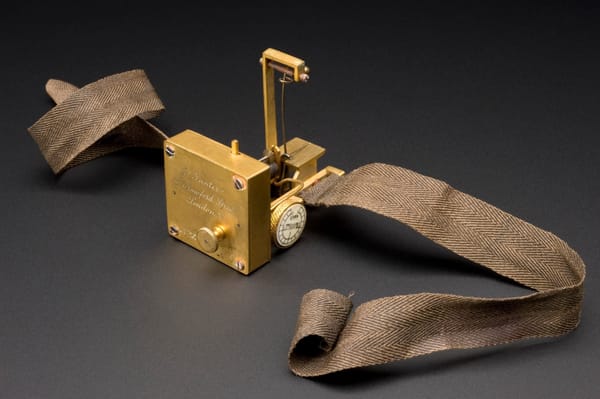
The 65 mmHg MAP target in critical care medicine has deep historical roots—from Hippocrates’ humors to Poiseuille’s equations.

MedicalStudent
#MatchDay is here, Med Students!!
cough
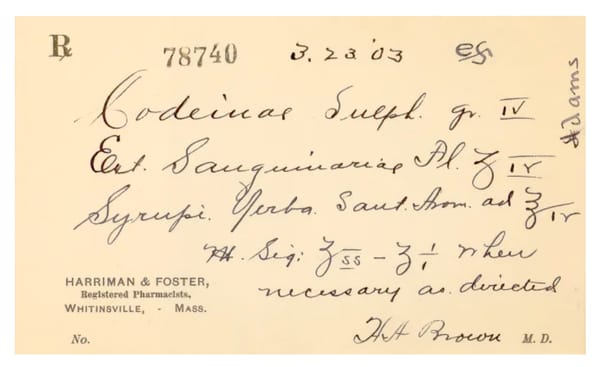
Have you ever wondered why coughs outlast colds? Studies shows that post-infectious cough persists in approximately 25% of patients with upper respiratory infections, sometimes for up to two months after the initial illness has resolved.
Hemodynamics
Okay. Now I know what you are thinking: does the title really combine sepsis and cardiogenic shock into a single term? SICS is an important concept, and the diagnostic criteria are a bid muddled for some. I for one don’t recall it being called SICS. It is basically a

MedEd
1. Find the studies which showed MAP of 65 mmHg to be the hemodynamic threshold for perfusion. 2. Are there any conditions in which a MAP goal of 70 mmHg should be targeted? 3. Name the recent study where MAP 60-65 mmHg was explored. Would it change your management? 4.